
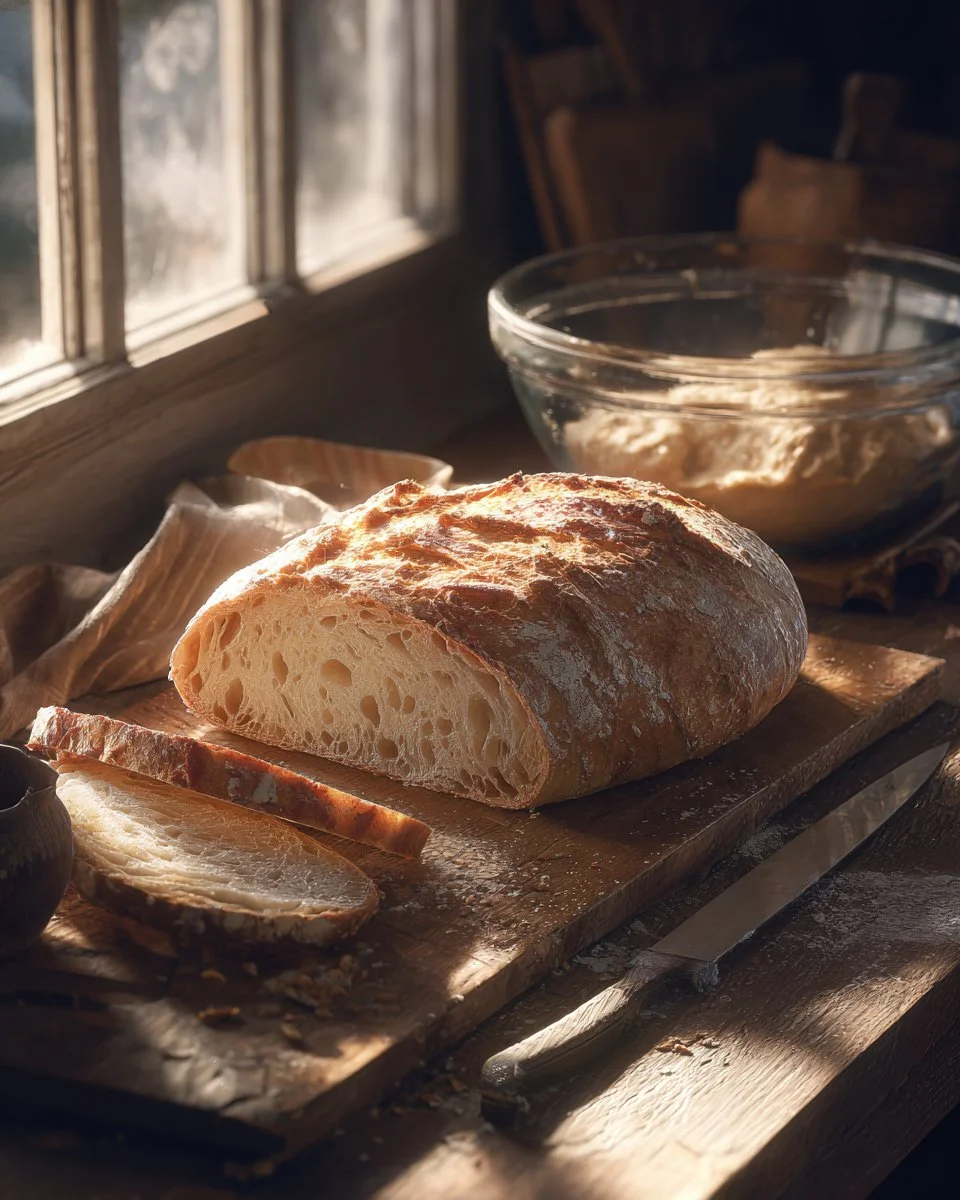
Pin by Marilyn Fisher on food | Artisan bread recipes, Soft sourdough bread, Sourdough bread — Soft Sourdough Bread Recipe
I first spotted this comforting loaf pinned by Marilyn Fisher on food while scrolling Pinterest on a rainy afternoon. I was drawn to the warm, rustic crumb and the idea of a bread that felt both artisanal and approachable. Baking sourdough has become a quiet ritual for me—measured, patient, and deeply satisfying—and recipes like this one bridge the gap between traditional European sourdough techniques and a busy modern kitchen. Historically, sourdough is one of the oldest forms of leavened bread, used by civilizations from ancient Egypt to San Francisco’s famed starter cultures; making your own is a way of continuing a centuries-old food tradition in your own home.

Who is this recipe for?
- This recipe is perfect for home bakers who want a soft, tangy sourdough loaf—beginners who are ready to learn folding and basic timing, busy parents seeking a reliable loaf, and anyone who loves artisan bread with a soft crumb.
Core ingredients overview:
- This loaf combines an active sourdough starter, bread and whole wheat flours, water, and salt to create a soft, flavorful sourdough with good oven spring and a tender crumb.
Tools & Ingredients
Tools (what you’ll need)
- Digital kitchen scale — for accurate measurements.
- Large mixing bowl — to mix and bulk ferment the dough.
- Bench scraper — helps handle and shape dough.
- Proofing basket (banneton) or bowl lined with a floured towel — supports the loaf while proofing.
- Dutch oven or covered baking pot (with lid) — creates steam for crust and oven spring.
- Sharp blade or lame — for scoring the dough.
- Kitchen towel or plastic wrap — to cover the dough.
- Oven thermometer (optional) — to ensure accurate baking temperature.
Ingredients (with short benefit)
- 500 g bread flour — provides strong gluten structure for good rise and chew.
- 100 g whole wheat flour — adds flavor depth, nutrients, and a slight nuttiness.
- 350 g water (70% hydration total) — hydrates the flour for open crumb and soft texture.
- 100 g active sourdough starter (fed and bubbly) — natural leavening and tangy flavor.
- 10 g fine sea salt — enhances flavor and controls fermentation.
- 1 tbsp olive oil or melted butter (optional) — softens the crumb and adds richness.
- 1 tsp honey or sugar (optional) — feeds the starter slightly and rounds flavor.
Instructions
- Feed your starter 4–8 hours before mixing so it’s active and bubbly. Gently stir down any liquid before measuring.
- In a large bowl, combine 500 g bread flour, 100 g whole wheat flour, and 350 g water. Mix until no dry flour remains (a shaggy dough). Cover and let rest for 30–60 minutes for autolyse.
- Add 100 g active starter to the dough and mix by folding or pinching until incorporated.
- Sprinkle 10 g salt over the dough and add optional 1 tbsp oil and 1 tsp honey if using. Mix until evenly distributed.
- Bulk ferment at room temperature (about 21–24°C / 70–75°F) for 3–5 hours. During the first 2 hours, perform 3–4 sets of stretch-and-folds every 30 minutes: reach under the dough, lift, and fold it over itself, rotating the bowl each time.
- After bulk fermentation, turn the dough onto a lightly floured surface. Pre-shape into a round and rest uncovered for 20–30 minutes.
- Perform the final shape: tighten the surface by cupping and dragging the dough toward you on the bench to create tension. Place seam-side up into a well-floured banneton or bowl lined with a floured towel.
- Proof the shaped loaf for 2–4 hours at room temperature, or for best flavor and structure, refrigerate overnight (8–18 hours) for a slow cold proof.
- About 45 minutes before baking, place your Dutch oven with the lid in the oven and preheat to 230°C / 450°F.
- When ready, gently invert the loaf onto parchment, score the top with a lame or sharp knife, and carefully transfer into the hot Dutch oven. Cover and bake for 20 minutes.
- After 20 minutes, remove the lid and reduce the oven to 220°C / 425°F. Bake uncovered for another 18–25 minutes until deeply golden brown and the internal temperature reaches around 98–100°C (208–212°F).
- Remove the loaf and cool on a wire rack for at least 1 hour before slicing to set the crumb.
FAQ
Q: Can I freeze this bread?
A: Yes. Once fully cooled, slice and place in an airtight bag; freeze for up to 3 months. Toast slices straight from frozen or thaw at room temperature.
Q: What if my starter isn’t very active?
A: Feed it 2–3 times over a day or leave it somewhere warm until it doubles and shows bubbles. Using a slightly smaller amount of starter and lengthening bulk fermentation can also help.
Q: Can I make this without a Dutch oven?
A: Yes. Bake on a preheated baking stone or sheet and introduce steam in the oven by placing a pan of hot water on the bottom rack or spraying water into the oven at the start of baking.
Q: What can I use instead of whole wheat flour?
A: You can substitute rye or additional bread flour. Rye adds flavor but absorbs more water, so adjust hydration slightly.
Tips & Tricks
- Tip 1: Use a kitchen scale for consistent results — bread baking is precise and scales reduce guesswork.
- Tip 2: Keep your starter warm (about 25°C / 77°F) before mixing for a more predictable fermentation.
- Tip 3: If your dough feels sticky during shaping, lightly wet your hands instead of adding excess flour to maintain hydration.
- Tip 4: For a glossier crust, brush the loaf gently with olive oil right after baking.
Conclusion
Thanks for baking along—this soft sourdough loaf is a wonderful everyday artisan bread that celebrates the tradition of natural fermentation while remaining approachable. For variations and inspiration, check out a seeded multigrain take on sourdough at Seeded Multigrain Sourdough Bread | Vanilla And Bean, a straightforward easy loaf method at Easy Bread Recipe – Gwen’s Nest, and a beloved classic technique at The Life-Changing Loaf of Bread – My New Roots for further tips and inspiration.
Enjoy your loaf, share with friends, and happy baking!
Always add
tag after Directions.